
City Water vs. Well Water: Which Is Better in Western North Carolina?

By Katie Cassidy, REALTOR® | Former Air Force Civil Engineer | MBA

If you're relocating to Western North Carolina, one of the biggest surprises may be discovering that many homes rely on private wells instead of city water.
For buyers moving from larger cities or suburban areas, this can feel unfamiliar, or even intimidating.
The good news?
Neither option is automatically “better.” Both city water and well water can work extremely well. The right choice depends on your lifestyle, location, priorities, and comfort level with maintenance.
As a REALTOR® and former Air Force civil engineer, I help buyers understand not just the house itself, but how the property functions long term.
Here’s what you should know before deciding which option is right for you.
What Is City Water?
City water (also called municipal water) is provided by a local utility system.
Water is treated, tested, and delivered through public infrastructure, and homeowners pay a monthly bill for usage.
Many homes in Asheville and more developed areas of Western North Carolina are connected to municipal water systems.
Benefits of City Water
Consistent water supply
Regular water quality testing
No private well equipment to maintain
Usually easier for buyers unfamiliar with rural systems
For many homeowners, city water feels simple and predictable.
What Is Well Water?
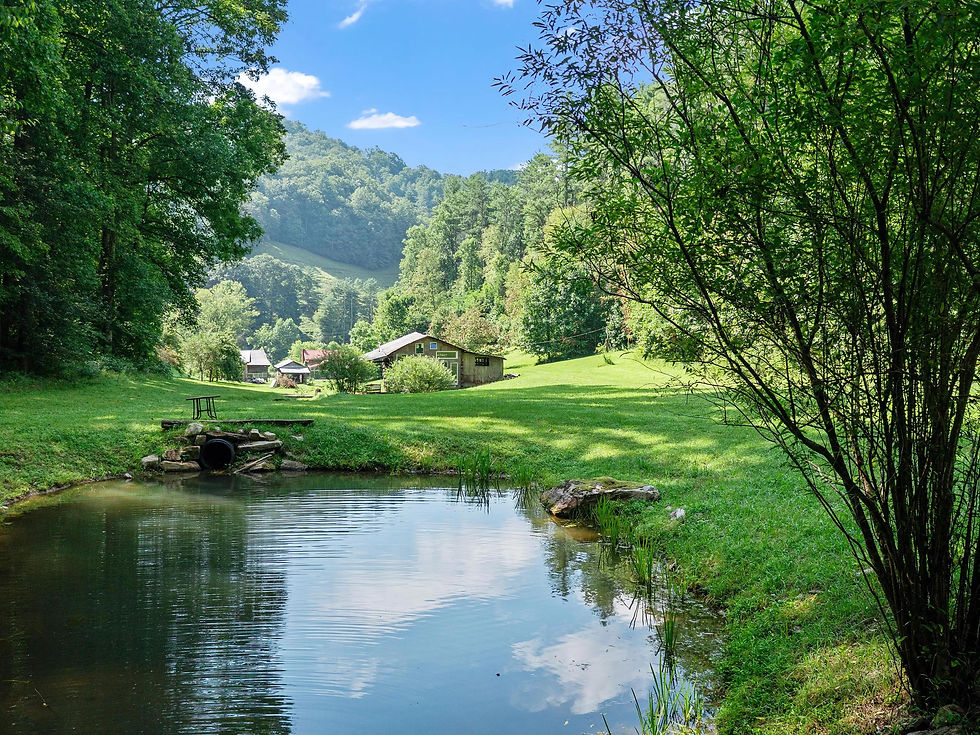
A private well pulls groundwater directly from beneath the property.
Instead of receiving water from a utility provider, the homeowner is responsible for maintaining the system.
This is extremely common in mountain and rural areas throughout Western North Carolina.
Benefits of Well Water
No monthly water bill
Often fewer usage restrictions
Greater independence
Many homeowners enjoy the taste of natural groundwater
For buyers seeking acreage, mountain views, or more privacy, wells are often part of the package.
Questions I Encourage Buyers to Ask About a Well
Private wells are not a problem, but they do require education.
Some of the questions I encourage buyers to ask include:
When was the well installed?
Has the water been tested recently?
What is the water flow rate?
Is there a filtration system?
How old is the pressure tank and pump?
Are maintenance records available?
Knowing how a system has been maintained can provide peace of mind
Water Quality: Is Well Water Safe?
This is probably the most common question I hear.
A properly functioning well can provide excellent water quality.
However, private wells should be tested regularly for things like:
Bacteria
Minerals
Sediment
pH balance
Potential contaminants
Water testing is a normal part of due diligence during the buying process.
Having a professional evaluate the water quality can help buyers feel confident about their decision.
Which One Is Better?
Honestly, there isn’t one universal answer.
City Water May Be Best If You:
Prefer convenience
Want minimal maintenance
Feel more comfortable with municipal utilities
Are relocating from an urban area
Well Water May Be Best If You:
Want privacy or acreage
Prefer rural or mountain living
Like greater independence
Don’t mind learning how your system works
Many buyers end up loving well water once they understand how the system works.
Final Thoughts
One of the things I remind buyers is this:
Having a well is normal in Western North Carolina.
It doesn’t automatically mean there’s a problem, it simply means the property functions differently than homes connected to city utilities.
The key is understanding the system, asking good questions, and completing proper inspections during the buying process.
As a REALTOR® and former Air Force civil engineer, I enjoy helping buyers feel informed and confident as they navigate the unique aspects of mountain homeownership.
Whether you're relocating to Asheville or searching for a mountain property in Western North Carolina, I’m always happy to help answer questions.


Comments